
Braag's Dryback vs. Click: Which Installation Method Fits You Better?
- William
- Jun 22
- 3 min read
Updated: Jun 29
Key Takeaways: Braag engineered vinyl offers two install formats: glued dryback and floating click lock. Dryback delivers slim low-profile floors, while click enables fast, simple renovation with built-in noise-reducing IXPE underlay. Match your subfloor condition, room height and timeline before picking your floor style.
Choosing between Braag's dryback and click vinyl hinges on installation method and daily household use. Braag dryback vinyl is fully glued for ultra-slim, stable finish; click lock planks interlock as floating floors for quick remodels. Both styles support underfloor heating and resist kitchen spills and household stains. Match the installation type to your space first, then select your preferred wood or stone visual.
Braag's Dryback vs. Click, their Differences
Braag's Dryback vs. Click: Dryback means planks are fully glued to the base floor (subfloor) for fixed placement. Click refers to interlocking planks laid loosely as a floating floor with no full glue required. Pick dryback for slim profile or click for faster construction based on your renovation schedule.Product reference: Spirit SP-505 plank is dryback; Skyline Gaudi SK-201 is click lock.

Spirit SP-505
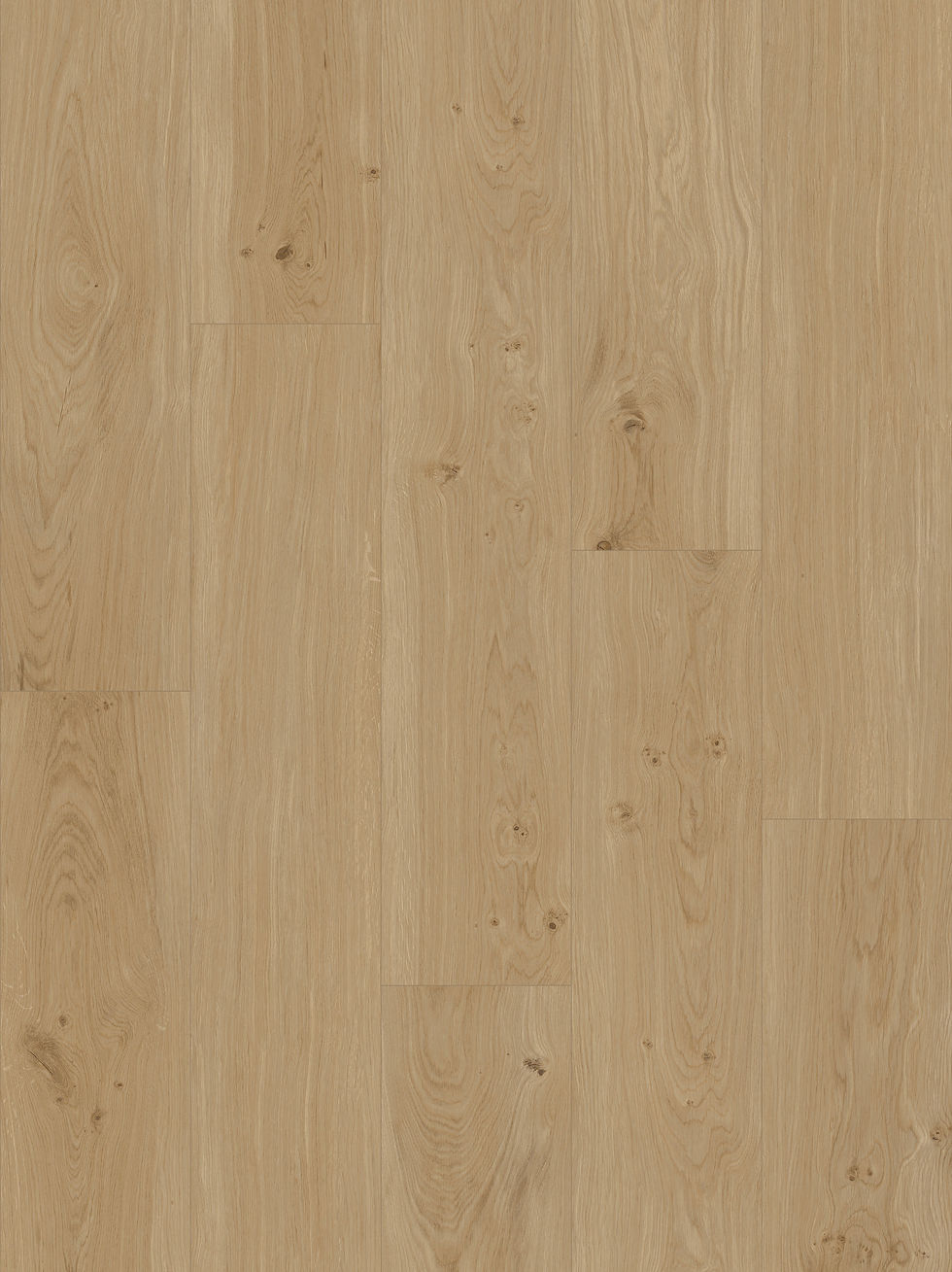
Skyline Gaudi SK-201
Installation Speed & Difficulty
Braag's Dryback vs. Click: Click flooring cuts renovation time via simple interlocking joints without full glue spreading. Dryback glue-down requires thorough subfloor prep and longer construction periods. Click works well for DIY homeowners, while dryback relies more on professional ground preparation.Product reference: Skyline Monet SK-202 adopts user-friendly click lock installation.
Subfloor Flatness Requirements
Braag's Dryback vs. Click: Dryback thin vinyl exposes tiny unevenness on the base floor, demanding ultra-smooth subfloor treatment. Thicker click floors tolerate minor subfloor imperfections with higher fault tolerance. Flat ground prep workload is far heavier if you choose dryback vinyl.Product reference: Summit Alps SU-601 dryback square tile requires strictly level subfloors.

Summit Alps SU-601
Floor Thickness & Door Transitions
Braag's Dryback vs. Click: Dryback is low-profile, minimizing height gaps between rooms and fitting narrow door clearances. Click lock floors are thicker, sitting higher above the original base floor. Dryback is ideal if you need consistent floor height across door thresholds and adjacent spaces.Product reference: Spirit Prosecco SP-501-XLH herringbone dryback features slim low-profile construction.

Spirit Prosecco SP-501-XLH
Wood vs Stone Visuals for Both Formats
Braag's Dryback vs. Click: Warm wood planks create continuous cozy interiors, while stone tile styles deliver crisp modern kitchen and entryway aesthetics. Both dryback and click lines supply wood-look vinyl; only dryback carries Summit stone tile series for structured architectural spaces. Confirm your room atmosphere first, then decide the installation format.Product reference: Summit Scandinavian SU-603 dryback square tile presents natural stone texture.

Summit Scandinavian SU-603
Noise Reduction & Built-In IXPE Underlay
Braag's Dryback vs. Click: Most Braag click floors come with integrated IXPE underlay, a soft cushion layer that absorbs footsteps and furniture scraping noise. This acoustic advantage stands out for multi-family apartments and open-concept living rooms. Noise-sensitive households should prioritize click styles with pre-attached underlay.Product reference: Palette Gaudi PA-201-XLH herringbone click with built-in IXPE underlay.

Palette Gaudi PA-201-XLH
Underfloor Heating Compatibility
Braag's Dryback vs. Click: All Braag dryback and click vinyl comply with household underfloor heating systems within official temperature limits. Always follow product installation guidelines to maintain stable floor performance and avoid deformation long-term.Product reference: Skyline Raphael SK-203 click planks support heating and cooling systems.

Skyline Raphael SK-203
Quick Comparison Table
Priority Factor | Dryback Glue-Down | Click Floating Lock |
Install Type | Full glue bonded to subfloor | Interlocking floating system |
Subfloor Standard | Very strict, fully smooth | Moderate, tolerates slight unevenness |
Floor Thickness | Slim low-profile | Thicker build |
Construction Speed | Slower, heavy prep work | Fast, DIY-friendly |
Sound Insulation | Depends on separate underlay | Built-in IXPE cushion for quieter rooms |
FAQ
Q: Which option is better: dryback or click vinyl?
A:It depends on your demands. Choose dryback for slim seamless height; choose click for fast, easy renovation.
Q:Can I install click flooring by myself?
A:Yes. Interlocking click joints simplify assembly and fit DIY projects under proper site conditions.
Q:Does dryback vinyl work with underfloor heating?
A:Yes. Dryback performs well with underfloor heating when installed following official temperature rules.
Q:Will click floors reduce walking noise at home?
A:Yes. Click styles with integrated IXPE underlay effectively lower footstep noise for open or multi-story homes.
Q:Is dryback harder to repair if damaged?
A:Yes. Glued dryback planks are difficult to replace; click floating floors allow single-plank easy swapping.
Q:Which one suits short-term rental renovation?
A:Click flooring is more suitable, as floating floors can be removed completely without damaging the original subfloor.
Next Step
Contact our team to get free Braag vinyl flooring samples of both dryback and click styles. Place samples in your space for a full day to compare thickness, texture and visual effects under daylight and indoor lighting. Confirm your installation method before finalizing your floor design.


